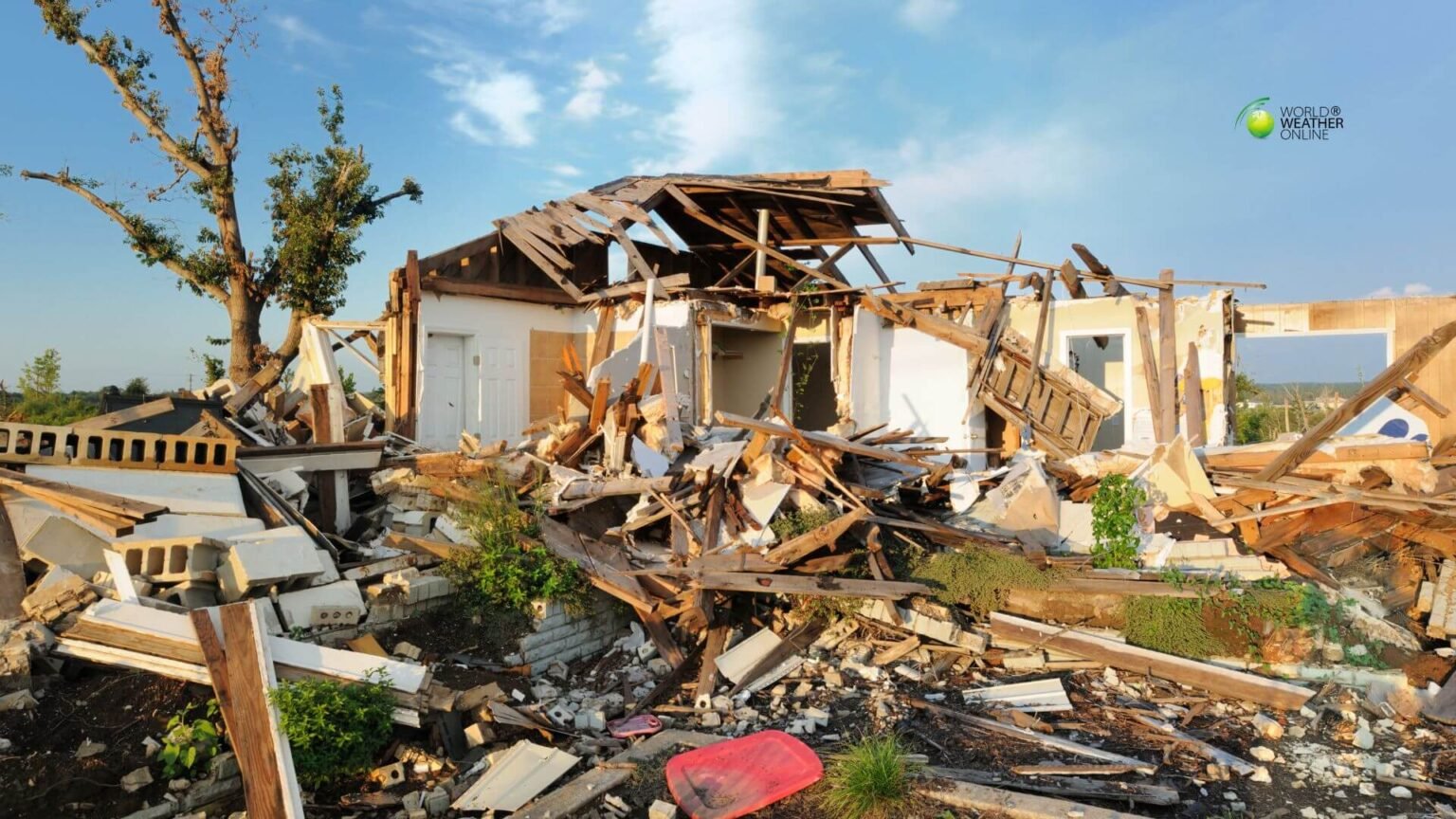

Just after noon in early September, the air over Makinohara and Yoshida turned quite heavy, as if the weather had taken a long breath and forgotten to exhale. It was a frightening scene as the doors slammed on their own. In those panicked minutes, roofs were peeled off, and the tornado started catching up to much of Japan’s Shizuoka. Families ducked into bathrooms and under stairwells, clutching kids and pets. After all, when the wind finally let go, the streets looked as if a giant had dragged an iron rake through the neighborhoods.
For Japan, a country that does get tornadoes but rarely ones this fierce, the toll was sobering. Emergency officials witnessed around 89 injuries across the two towns, with damage to well over a thousand buildings. Moreover, one fatality was also reported in Yoshida. Although it was a short-lived storm, the devastation was immense. People standing in their doorways after the all-clear did not need a meter to tell them what had happened. They could read the intensity by looking at their surroundings.
How a Violent Tornado Took Shape on Japan’s Coast
As you might have heard, tornadoes do not just appear from nowhere, but they need the right mix of weather conditions to form. However, on the day when the tornadoes started forming, everything lined up. Tropical Storm Peipah was moving south of Japan, which started sending hot, wet air toward the Pacific coast. At the same time, surface winds blew one way, while stronger winds higher up came from a slightly different direction. This is a weather phenomenon called “wind shear” that makes storms spin.
Only one storm cell became stronger, tightened into a supercell, and dropped a funnel cloud that raced across Shizuoka’s coast. Later surveys showed winds up to 270 km/h (168 mph). The tornado was rated JEF3, Japan’s version of an EF3. That kind of power matched the destruction. Therefore, walls smashed in, roofs torn off, cars flipped, and power poles snapped.
Geography also added fuel. Along this shoreline, sea breezes and invisible air boundaries often give storms extra spin. Combine that with the low pressure from the tropical storm, and the recipe was ready for a violent tornado.
For those caught under it, the science mattered less than survival. In a factory, workers saw a gray wall of rain and debris erase the parking lot. A forklift driver slammed the emergency stop and hid under a bench. In a small house, a grandmother pulled two children into a bathtub and covered them with a blanket. Across both towns, people followed the same instinct: stay away from windows, get behind walls, and wait.
What the Damage Reveals and How to Cut Future Climate Risk?
Walking through Makinohara or Yoshida, patterns in the damage were quite clear. Firstly, the light roofing failed. Moreover, factory bays acted like funnels, letting the wind rip through once doors gave way. Roof edges became flying debris. However, there were also success stories. Cell phone alerts arrived quickly, giving many families time to move to safer rooms. Those who sheltered inside, even for a few minutes, escaped serious harm.
Still, there are a few tips that can save your life and the lives of others. You just need some small upgrades. Factories can add quick-shut doors and tie-down points. Schools and clinics can set up “safe rooms” stocked with helmets or cushions. Neighborhoods can practice “blanket and helmet” drills for kids, just like earthquake drills. Homes can be strengthened with simple roof-to-wall connectors and better carport anchors to stop dangerous flying debris.
Preparedness is not just about buildings, it’s about habits. Alerts only work if people know what to do. A short family plan, “safe room here, helmets here, turn off gas, message the group once safe,” turns panic into action. Cities can help too, by mapping debris-clear routes for ambulances and keeping tools ready before storm season.
The Takeaway
Although tornadoes are rare in Japan, whenever they come, they result in huge devastation. Sometimes, late summer brings humid air along coastal boundaries. These are the tropical storm leftovers that raise the risk. However, it doesn’t mean we should panic. We can prepare ourselves well for the next storms or other harsh weather events through resilience.
The Shizuoka tornado was short but devastating, as it was labeled as a JEF3 tornado with the winds near 270 km/h; nearly 90 people were injured, and over 1,300 buildings were damaged. However, Japan’s weather warning system worked. The next step is simply to fix weak spots and make “go inside now” as automatic as earthquake drills. This is to let the next storm leave more resilient stories and fewer scars!